
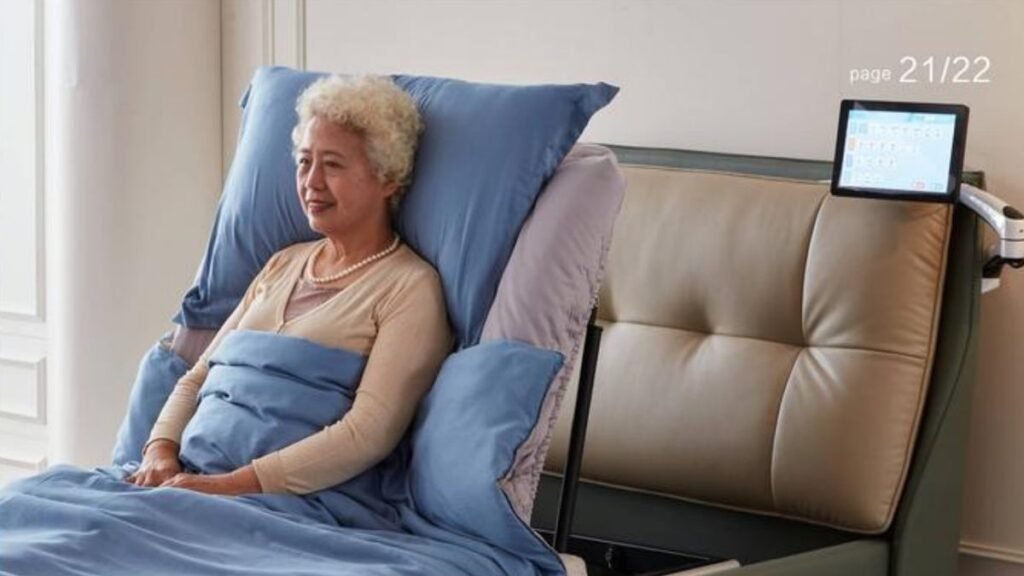
Electric Nursing Bed vs Manual Bed: What Changes for the Caregiver
The difference between an electric nursing bed and a manual bed is not comfort — it is who does the work. On a manual bed, the caregiver adjusts the bed by hand, lifts and turns the body by hand, and handles toileting with a bedpan. On the electric CH-ENB-01, the backrest adjusts from 0 to 85°, the bed turns left and right manually or automatically, one button brings the user to a sitting position, and toileting, cleaning and discharge run on their own. The caregiver is still needed — for skin checks, meals, turning supervision and company — but the heavy, repeated physical tasks change hands.
The question is not which bed is better
Ask a family buying a nursing bed which one is better and you will get a debate about features. Ask a caregiver who has done the job for six months and you will get a different answer: the real question is how much of the day’s work falls on one person’s body.
A bedridden person needs help many times a day: sitting up for meals, turning to protect the skin, toileting, cleaning, bathing. On a manual bed, every one of those tasks is a physical job for the caregiver. On an electric bed with automatic functions, some of those jobs are done by the bed. That is the comparison that matters, and it is the only honest way to compare the two.
Sitting up: a crank, or a button
On a manual bed, raising the backrest is a hand job. The caregiver works a crank or lever, a little at a time, while the person in the bed waits. It works, but it is slow, it needs two free hands, and it has to be done again every time the person wants to sit up — for meals, for drinking, for conversation, for watching something.
On the CH-ENB-01, the backrest adjusts from 0 to 85°, the leg rest adjusts too, and one button brings the user to a sitting position. The caregiver presses a button instead of working a crank, and the person in the bed can sit up for a meal without a production every time. For a family doing this three or four times a day, that difference adds up fast.
Turning: hands, or a motor
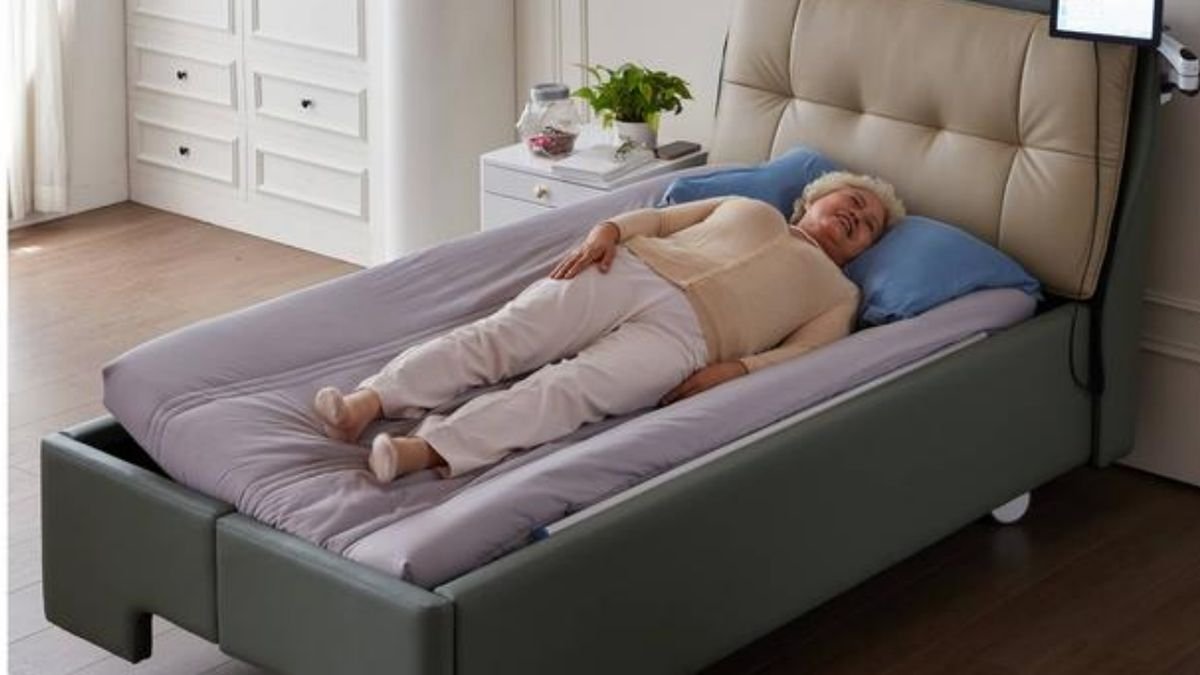
Turning is the task manual beds make hardest. A body that cannot move on its own has to be turned regularly to protect the skin, and on a manual bed that means the caregiver doing it by hand — rolling the body, holding it, placing supports — several times a day and sometimes at night. It is the heaviest single task in home care, and it is the one most likely to injure the caregiver’s back.
The CH-ENB-01 turns left and right, manually or automatically, and its automatic turning and wave massage air cushion supports pressure ulcer prevention. The caregiver still checks the skin and decides the routine, but the lifting part of the turn is no longer a purely manual job. That matters most for a single caregiver at home, where there is nobody to help with the lift.
Toileting: the biggest difference of all
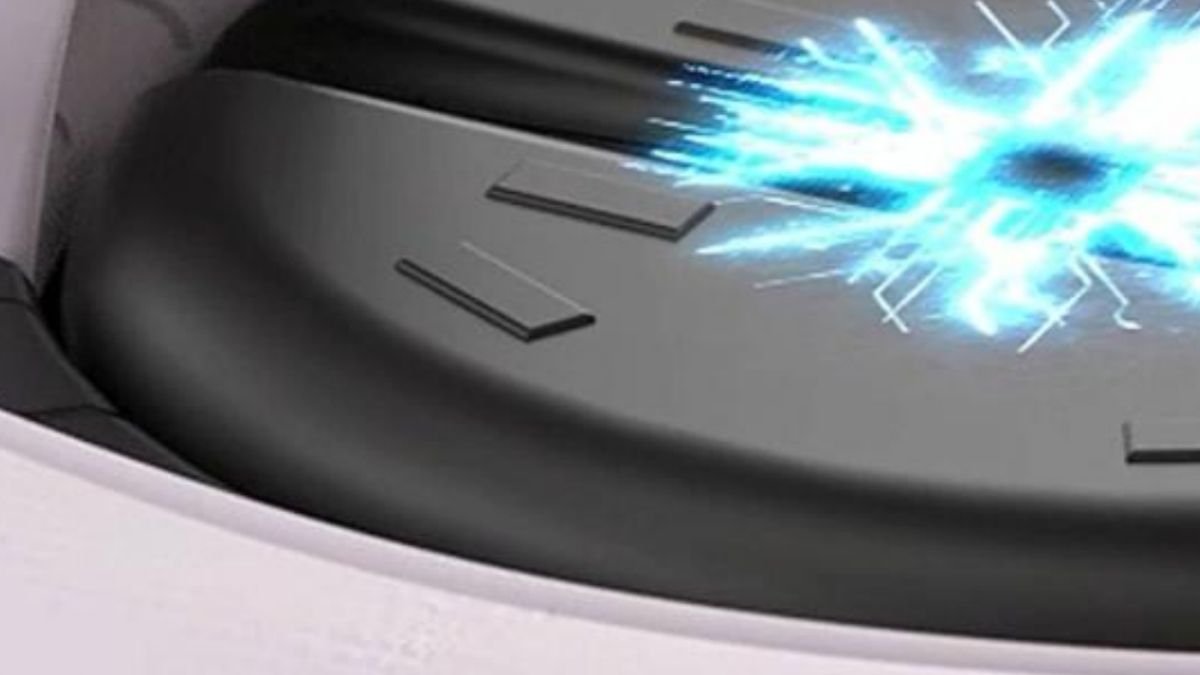
This is where the two beds stop being comparable. A manual bed does nothing about toileting. The caregiver brings a bedpan, lifts the person onto it, waits, cleans up, empties and washes the bedpan, and changes the linen — several times a day, and again at night. It is the most tiring, most private and most dignity-damaging part of bed care.
The CH-ENB-01 handles toileting in the bed: 24-hour automatic monitoring detects use, the bedpan door opens in 1 second, 6 wide-angle nozzles clean 360°, waste is crushed and discharged into the sewer, and the body is blow-dried. No bedpan is used and waste is never handled. Water temperature, air temperature and cleaning time can be set to the user’s needs from the control panel, which also has a child lock and a self-check screen.
The bed must be connected to a drain / sewer pipe, because waste is discharged into the sewer. There is no fixed requirement for drain distance or pipe size; the final placement is checked at installation.
Bathing: a two-person lift, or one person in bed
Bathing a bedridden person on a manual bed is usually a two-person job, and often it means moving the person at all. With the CH-ENB-01, one person can bathe the user in bed with the included inflatable bath tub and handheld shower, and bathing wastewater discharges into the sewer automatically. The tub is included as standard. Graphene heating, a shifting machine and a dining table board are optional accessories, not included by default.
Bathing is also the one time in the week the caregiver sees the whole body. While washing and drying, they can check the skin — redness, dryness, any sore starting — in a way a quick daily check cannot match. A bath that happens in bed, by one person, is therefore not only a hygiene task. It is the week’s best chance to catch a skin problem early, and a routine that is easy to do is a routine that actually happens.
What the caregiver still does
An electric bed does not replace the caregiver. It takes over the heavy, repeated physical tasks — adjusting, turning, toileting, discharge — and leaves the human ones: checking the skin daily, helping with meals and conversation, watching for changes, and being there. That is the honest division of labour, and it is the same on both kinds of bed. The difference is how much physical work is left on the caregiver’s list at the end of the day.
At a glance
| Task | Manual bed | CH-ENB-01 electric bed |
|---|---|---|
| Sitting up | Adjusted by hand, a little at a time | Backrest 0–85°, one-click sitting position |
| Turning | Done by the caregiver’s hands | Turns left and right, manually or automatically, with wave massage air cushion |
| Toileting | Bedpan, lifted and cleaned by hand | Automatic monitoring, 1-second door, 360° cleaning, sewer discharge, blow-drying |
| Bathing | Usually a two-person job, often means moving the person | One person bathes the user in bed, inflatable tub included as standard |
| Night | Caregiver gets up for every toileting round | Monitoring and cleaning cycle run on their own |
| Adjustments | One at a time, by hand | Water and air temperature and cleaning time set from the control panel |
When a manual bed is enough
Not every family needs an electric bed with automatic toileting. If the person in the bed can still move partly on their own, if there are two or more caregivers sharing the work, and if toileting is not the problem, a manual bed can be the right and cheaper choice. Saying so plainly matters: the electric bed earns its place when one person is doing the heavy work alone, when turning and toileting are the daily burden, and when nights are broken by toileting rounds. Buy the bed for the work it removes, not for the features on the list.
FAQ
Does an electric bed replace the caregiver?
No. It removes the heavy, repeated physical tasks — adjusting, turning, toileting and discharge. Skin checks, meals, conversation and watching for changes still need a caregiver.
What is the biggest difference in daily use?
Toileting. A manual bed leaves the whole bedpan routine to the caregiver, several times a day and at night. The CH-ENB-01 runs it automatically: monitoring, a 1-second door, 360° cleaning, sewer discharge and blow-drying.
How does the backrest adjust?
From 0 to 85°, with leg rest adjustment and a one-click sitting position, controlled from the panel instead of by hand.
Can the bed turn the person on its own?
It turns left and right, manually or automatically, and the automatic turning and wave massage air cushion supports pressure ulcer prevention. The caregiver still checks the skin and sets the routine.
What does the bed need from the home?
A drain / sewer connection, a 220–240V~, 50Hz power supply, and room for a 230 × 110 cm bed. The final placement is checked at installation.
See the full model, specifications and test reports on the product page. For a quote, please email admin@chinahospitalbed.com with your country, quantity and intended use.